The Short Version
At fifteen, an empty 45-pound bar pinned me to a bench in my high school weight room. A group of kids laughed. They did not know it was me. But I knew.
And I avoided the weight room for the next twenty-two years. As a teenager, as a young adult, as a medical resident, as an attending physician.
That is not just fear. That is surrendered agency.
What Changed
In my late thirties, I finally walked back into a gym. No teammates. No audience. Just me and the bar.
Over time, my anxiety softened. My thinking sharpened. Daily life felt less draining. Hard things felt survivable again.
Strength training did not turn me into a bodybuilder. It turned me into someone who could look life in the eye.

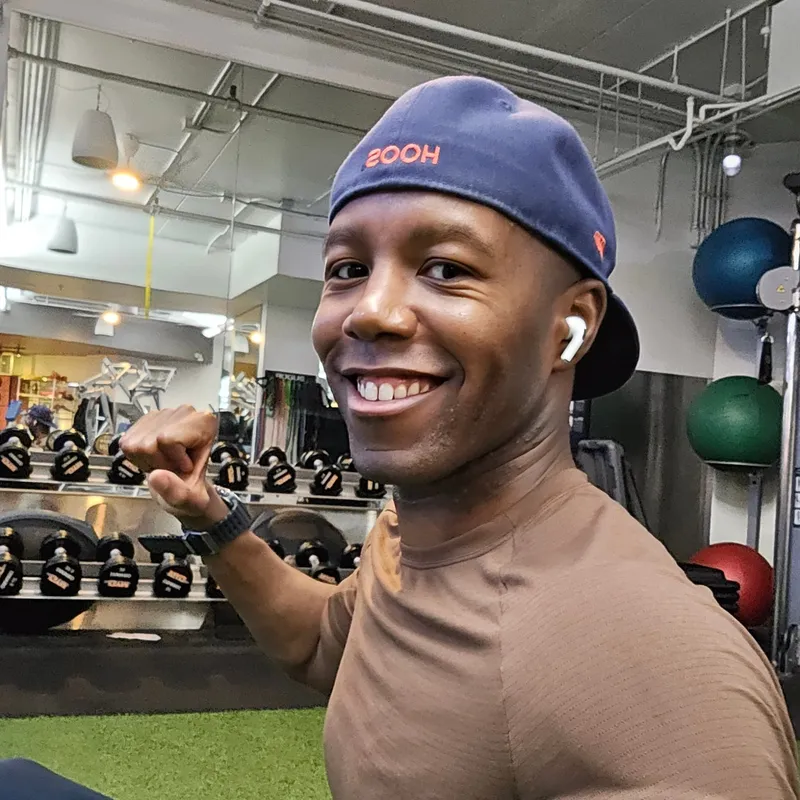
When the body leads, the mind follows.
Why This Exists
In my twenties and thirties, I ran 20 to 30 miles a week and followed the guidelines I had memorized. I had endurance. I did not have power. I mistook motion for resilience.
If someone trained to read guidelines for a living can miss the importance of strength because of how it is presented, what chance does the average person have?
StrengthRx exists to say it plainly: modern adults are not weak in character. Many are underbuilt for the load of their lives, and many are carrying more than anyone should. Motivation is not the whole story. Physical capacity is the part you can train, and it widens your margin.